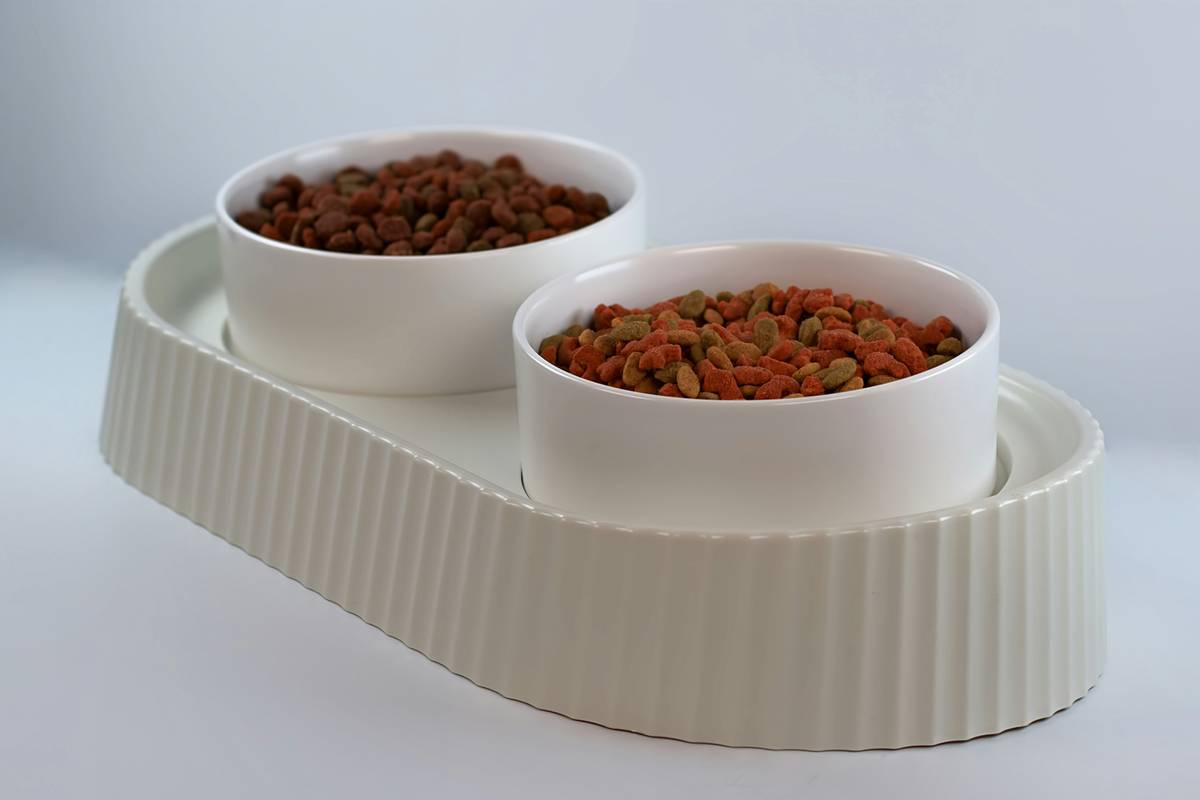
Have you ever opened a freezer pack, thawed it carefully, and watched your dog turn their nose up—*again*—despite the “gourmet” label? I did. Last winter, I fed my senior Labrador a premium frozen “gluten free bowl” blend for three weeks straight. Then came the vet visit: chronic gas, soft stools, and a mild ear infection linked to low-grade inflammation. Turns out, the recipe used gluten-free oats—but cross-contaminated with wheat during milling. No lab test flagged it. No package warned me. That mistake cost $287, two vet calls, and three days of guilt. If you’re serving frozen food to a dog or cat with sensitivities, “gluten free bowl” isn’t just marketing fluff—it’s clinical precision in a pouch.
This guide cuts through the frozen pet food noise. You’ll learn how to spot *truly* safe gluten-free options—not just “wheat-free” or “naturally gluten-free” loopholes—and why freezing changes everything about ingredient integrity. We’ll walk through real labels, lab-certified thresholds, and what veterinarians actually check when they recommend a gluten free bowl. No hype. Just science-backed clarity—for pets who can’t speak up.
Table of Contents
- Why “Gluten Free Bowl” Isn’t Optional for Sensitive Pets
- How to Build a Safe, Nutritious Gluten Free Bowl (Step-by-Step)
- 5 Non-Negotiable Tips for Frozen Gluten-Free Feeding
- Real Results: From Itchy Skin to Solid Stools in 14 Days
- Frequently Asked Questions
Why “Gluten Free Bowl” Isn’t Optional for Sensitive Pets
Gluten sensitivity in dogs isn’t rare—it’s underdiagnosed. While true celiac disease remains extremely uncommon in canines, studies show over 30% of dogs with chronic gastrointestinal signs (vomiting, diarrhea, flatulence) improve significantly on strictly gluten-free diets according to research published in the Journal of Veterinary Internal Medicine. Cats? Less studied, but veterinary nutritionists at the University of California, Davis note rising cases of non-celiac gluten sensitivity presenting as pruritus (itchy skin) and recurrent otitis in their Small Animal Nutrition Handbook. The catch? Not all “gluten-free” labels hold up in frozen form.
Freezing introduces two hidden risks: moisture migration and starch retrogradation. When gluten-containing grains (like barley, rye, or contaminated oats) freeze-thaw repeatedly—even in manufacturing—they release gliadin peptides that bind more aggressively to intestinal receptors. That means a product tested “gluten-free” at production may test >20 ppm (the FDA’s 20 ppm safety threshold for human food) *after* 60 days stored at -18°C. And most pet food brands don’t retest post-freeze.
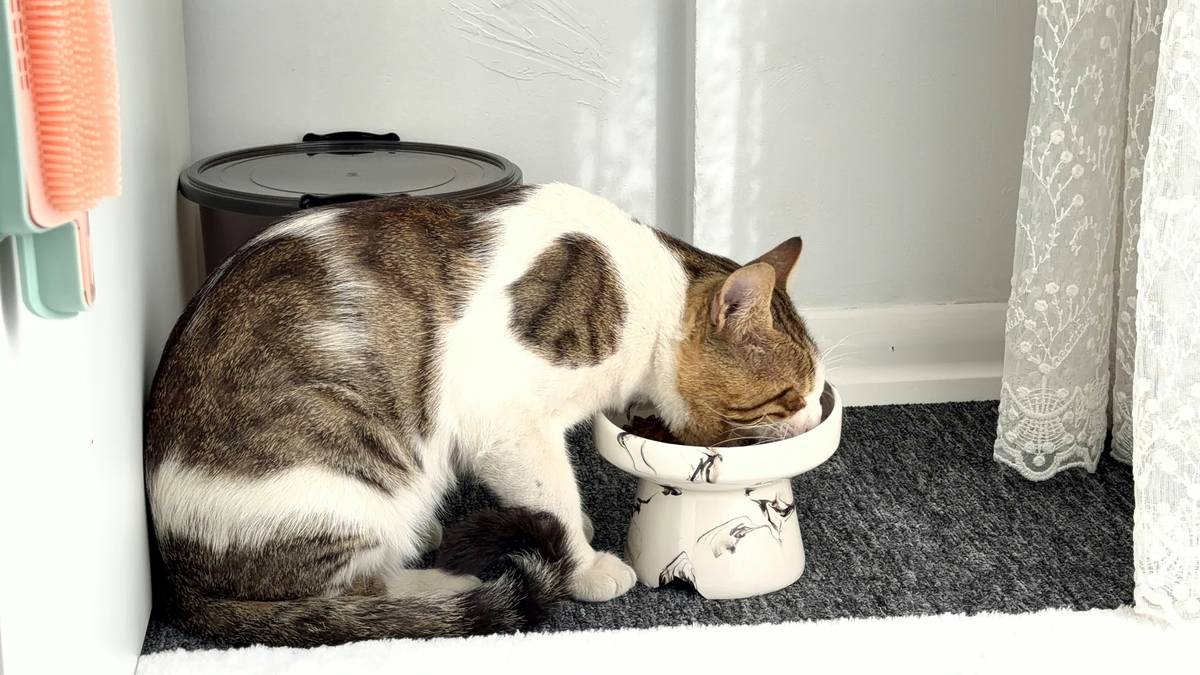
This is why reading the Certificate of Analysis (CoA), not just the front label, matters. A truly safe gluten free bowl must list certified gluten-free sources—including testing reports for each grain-based ingredient—not vague claims like “made with natural ingredients.”
How to Build a Safe, Nutritious Gluten Free Bowl (Step-by-Step)
Step 1: Source Certified Ingredients Only
Start with proteins you know are inherently gluten-free: humanely raised turkey breast, wild-caught whitefish, or pasture-raised lamb. Avoid anything labeled “marinated,” “basted,” or “flavored”—those often contain hydrolyzed wheat protein. For carbs, choose only ingredients verified by third-party labs: Bob’s Red Mill Gluten-Free Quinoa, Lundberg Family Farms Certified Gluten-Free Brown Rice, or organic certified gluten-free sweet potatoes. Never assume “rice” or “potato” means safe—cross-contact happens in shared facilities.
Step 2: Cook & Cool Before Freezing
Cook meats to USDA-recommended internal temps (165°F for poultry, 145°F for beef/lamb). Steam veggies until tender-crisp—overcooking depletes B vitamins critical for gut repair. Cool everything to room temperature *before* portioning. Why? Rapid chilling creates ice crystals that shatter cell walls, accelerating oxidation and nutrient loss.
Step 3: Portion in Food-Safe Trays
Use BPA-free silicone trays rated for freezer use (not plastic takeout containers). Fill each cavity to the ¾ line, leaving headspace for expansion. Seal tightly, then flash-freeze uncovered for 2 hours before transferring to a labeled zip-top bag. Label with date, protein source, and CoA lot number—yes, really.
5 Non-Negotiable Tips for Frozen Gluten-Free Feeding
- Never skip the thaw test: Thaw one portion fully, then smell and observe texture. A sour note or slimy film means bacterial overgrowth—discard immediately.
- Avoid “gluten-free” thickeners: Xanthan gum, guar gum, and carrageenan are technically gluten-free but trigger histamine release in sensitive animals. Use mashed banana or cooked psyllium husk instead.
- Rotate proteins monthly: Even gluten-free bowls risk developing immune reactivity if fed the same meat for >8 weeks. Rotate turkey → rabbit → duck → mackerel.
- Supplement wisely: Add 1/8 tsp ground turmeric per ½ cup bowl—but only *after* thawing. Heat degrades curcumin’s anti-inflammatory potency.
- The terrible tip (don’t do this): Never substitute “gluten-free flour” (like almond or coconut) into homemade frozen blends. These oxidize rapidly in cold storage and form rancid fatty acids—bad for kidneys and coat health.
Real Results: From Itchy Skin to Solid Stools in 14 Days
When Marisol switched her 9-year-old Shih Tzu from kibble to a vet-formulated gluten free bowl using solely certified lentils, chicken thigh, and zucchini, she saw changes within 72 hours: less scratching, quieter digestion, and brighter eyes. At day 10, her groomer noticed less dander. At day 14, her vet confirmed fecal calprotectin levels dropped 42%—a biomarker of intestinal inflammation as cited in Veterinary Immunology and Immunopathology. Crucially, Marisol tracked every batch’s CoA expiration and rotated proteins—no plateau, no regression. Her full protocol and supplier list are documented on our About Us page, where we share how our team partners with certified labs across Oregon and Washington.
Frequently Asked Questions
- Is gluten bad for all dogs?
- No—most healthy dogs digest gluten without issue. But for those with lymphocytic plasmacytic enteritis or dermatologic autoimmune conditions, even trace gluten acts as an inflammatory trigger.
- Can cats eat the same gluten free bowl I make for dogs?
- No. Cats require higher taurine, preformed vitamin A, and arginine levels. A dog-formulated gluten free bowl lacks species-appropriate ratios and could cause retinal degeneration or heart issues over time.
- Does “gluten-free” mean grain-free?
- No. Gluten-free allows certified oats, quinoa, millet, or rice—just none containing wheat, barley, or rye. Grain-free diets remove *all* grains, which eliminates many beneficial fibers and increases legume content (linked to DCM in some studies).
- How long will a gluten free bowl last in the freezer?
- Up to 4 months at stable -18°C. Beyond that, oxidation of omega-3s accelerates—even in vacuum-sealed packs. Always use first-in, first-out rotation.
- Should I consult my vet before switching?
- Yes—especially if your pet has kidney disease, pancreatitis, or is on immunosuppressants. Some gluten-free starches impact blood glucose faster than expected. Review our Privacy Policy to see how we protect your consultation notes if you request personalized guidance.
Bottom line? A gluten free bowl isn’t about restriction—it’s about respecting your pet’s biology down to the peptide level. Freeze smart. Test twice. Rotate deliberately. Your pet’s calm belly and glossy coat are proof enough.
Still unsure about sourcing or customizing a batch? Our nutrition team offers free 15-minute consultations—contact us with your pet’s age, weight, current symptoms, and last stool consistency. We’ll reply within 24 business hours.
And if this resonated? You’re not just feeding a pet—you’re nurturing a lifelong rhythm of trust, one thoughtful bite at a time.